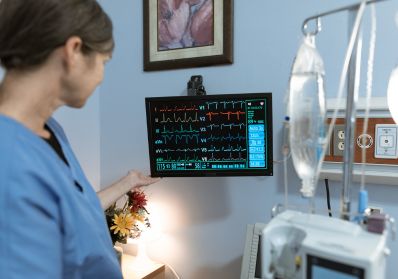
High Cholesterol Fairfax, VA

Dedicated Care For Cholesterol Management

High cholesterol often develops without symptoms, yet over time it can significantly impact heart and vascular health. Managing high cholesterol in Fairfax, VA requires more than routine lab reviews. It requires careful cardiovascular evaluation, consistent monitoring, and a physician who remains personally involved in your care.

At Ritter Cardiology, every patient sees Dr. Ritter directly at each visit, creating a more personal and consistent treatment experience. Through detailed assessments and in-house cardiac testing, patients receive individualized care focused on identifying cardiovascular risk early and improving cholesterol management. Every step of care is designed to provide clarity, consistency, and long-term support for heart health.

Care Designed Around Prevention

Focused Cardiac Care

Care Designed Around Prevention

Direct Physician Care

Dr. Ritter is the only provider so all visits will be with him

In-House Diagnostics

Comprehensive cardiac testing available

Preventive Monitoring

Focused on long-term heart health

Understanding Cholesterol And Its Impact On Cardiovascular Health

Why Early Cholesterol Management Matters

Silent Cardiovascular Risk

High cholesterol may develop quietly while increasing long-term strain on the heart and blood vessels.

Heart Disease Prevention

Managing cholesterol early may help reduce the risk of serious cardiovascular complications over time.

Stroke Risk Reduction

Elevated cholesterol levels can contribute to narrowed arteries and impaired blood flow to the brain.

Vascular Health Monitoring

Vascular imaging helps evaluate circulation and identify potential concerns affecting cardiovascular health.

Family History Awareness

Genetics and family history can significantly increase the likelihood of developing high cholesterol.

Importance Of Ongoing Evaluation

Regular monitoring allows treatment plans to be adjusted based on cholesterol levels and cardiovascular risk.

Thorough Cardiac Evaluation

Advanced Testing For Better Cardiovascular Insight

Ritter Cardiology provides comprehensive cholesterol treatment in Fairfax, VA supported by in-house diagnostic testing and detailed cardiovascular evaluations.

Dr. Ritter carefully reviews each patient’s medical history, cholesterol levels, symptoms, and risk factors before recommending a treatment approach. Diagnostic services including EKGs, stress testing, echocardiograms, Holter monitoring, and vascular imaging help provide a clearer understanding of overall cardiovascular health. This thorough approach allows patients to receive timely evaluations and more informed guidance while keeping all testing and follow-up care within one practice.

Advanced Testing For Better Cardiovascular Insight

Personalized Treatment Planning

Managing Cholesterol With Long-Term Care

Lifestyle Recommendations

Lifestyle Recommendations

  • Heart-conscious dietary guidance

  • Long-term wellness strategies

  • Cardiovascular risk reduction

Ongoing Monitoring

Ongoing Monitoring

  • Regular cholesterol evaluations

  • Continued cardiovascular assessments

  • Follow-up care visits

Individualized Treatment Plans

Individualized Treatment Plans

  • Personalized care decisions

  • Physician-guided treatment adjustments

  • Long-term management approach

Specialized Cardiovascular Lipid Care

Expert Lipid Management Backed By Personalized Cardiac Care

Professional lipid management in Fairfax, VA designed to support healthier outcomes through attentive, physician-led cardiovascular care.

Trusted By Ritter Cardiology

Schedule Your Appointment Today

Start Your Heart Care Journey

Take the next step toward better heart health. Ritter Cardiology offers same-day and next-day appointments with Dr. Ritter – no long waits, no runaround.

Call 571-407-7197

Consulting 85%
Education 76%
Support 92%

Frequently Asked Questions

Recent guidelines have been catching up to modern cardiologists’ practice and we no longer consider there to be a one-sized fits all level of cholesterol. We now look at their history, family history, and other risks to determine their overall cardiac risk and have a goal cholesterol to match. This LDL number can range from 55 – 100 mg/dL. You should see a cardiologist if your LDL is greater than 100 mg/dL or you have family history of cardiac disease.

In some cases, lifestyle changes including dietary adjustments, increased physical activity, and weight management can meaningfully improve cholesterol levels. However, some patients require medication alongside lifestyle changes. Dr. Ritter evaluates each patient individually to determine the most appropriate approach based on their health history and risk profile.

Dr. Ritter uses a combination of lipid panels, vascular imaging, EKGs, and other in-house cardiac testing to assess cholesterol levels and evaluate any related cardiovascular impact. This allows for a more complete picture of your heart health beyond a standard blood test.

Monitoring frequency depends on individual risk factors, current cholesterol levels, and whether treatment has been initiated. Some patients require monitoring every three to six months while others may need annual evaluations. Dr. Ritter determines the appropriate schedule based on each patient’s specific circumstances.